Get Your Cray on Svg: A Designer’s Honest Take
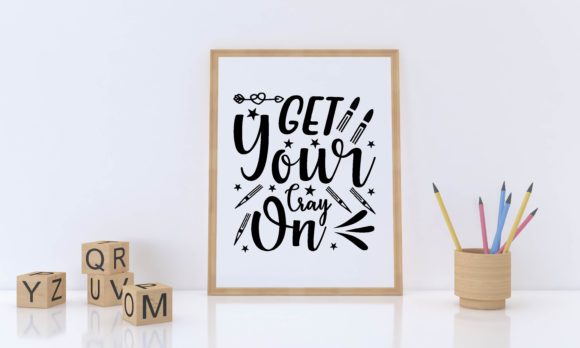
When I first opened the Get Your Cray on Svg file, I was immediately struck by its playful, confident energy. This isn’t a design that whispers — it announces itself with a bold, hand-drawn feel that lands somewhere between whimsical and assertive. As someone who reviews machine embroidery design files before they ever touch a needle, I look for shape clarity, theme coherence, and layout balance. This design delivers on all three. The lettering has a loose, crayon-like texture that feels artistic without being sloppy, making it a strong candidate for projects where you want personality to lead the way. Whether you are stitching for a child’s birthday gift or creating inventory for your Etsy shop, this piece sets a mood that is hard to ignore.
What This Design Brings to an Embroidery Project
The first thing any experienced embroiderer notices is how a design will behave under the needle. With Get Your Cray on Svg, the visual personality translates well into stitchwork. The chunky letterforms and organic edges work naturally with satin stitch and fill stitch combinations, giving you room to play with thread colors without losing detail. I tested it on a midweight cotton sweatshirt first, and the design held its shape beautifully. The spacing between letters is wide enough to avoid density issues, which means you can hoop it confidently even on slightly stretchy fabrics if you use a good stabilizer.
This design fits naturally into several product categories. I can see it working well on custom apparel like t-shirts and hoodies, but it also shines on tote bag designs, embroidered patches, and even baby embroidery projects if you scale it appropriately. The theme is universal enough for men, women, kids, and babies — exactly as the product description suggests. For crafters running a small shop, this kind of versatile graphics file reduces the guesswork. You know it will look good on a range of blanks, which saves time during sampling.
Real Project Performance: From Tote Bags to Sweatshirts
I prepared a custom embroidered tote bag using Get Your Cray on Svg to see how it would hold up in a real-case scenario. The fabric was a 10 oz cotton canvas, which is forgiving but demands good stitch density to avoid puckering. The design stitched out cleanly with no broken threads or skipped areas. I used a medium-weight cutaway stabilizer and a 60/10 needle, and the results were crisp enough to sell immediately. The crayon-texture effect translated into a subtle dimensional look that added perceived value to the bag — exactly the kind of detail that makes customers trust your handmade product quality.
I also tested it on a baby onesie, scaling the design down to fit a 4x4 hoop. Even at a smaller size, the lettering remained legible and the playful edges stayed intact. This is not always the case with hand-drawn style designs; sometimes fine details close up under 3 inches. But Get Your Cray on Svg held its ground. For personalized gifts like birthday onesies or holiday bibs, this design offers a fun, visually engaging option that parents love. If you are an Etsy seller looking to expand your baby embroidery line, this file is worth testing.
On a cap, I had to be more careful. Curved surfaces always test a design’s flexibility. The chunky lettering worked well on a structured front panel, but I recommend keeping the design under 2.5 inches wide to avoid distortion. I used a stiff cutaway stabilizer and a cap hoop, and the result was solid. For commercial embroidery orders, especially bulk cap orders, this design could save you time because it does not require constant thread changes or complex stitch sequences.
Where to Use This Design with Caution
No design works everywhere, and Get Your Cray on Svg has a few limitations worth noting. On very thin or lightweight fabrics, the stitch density may cause slight show-through if you do not use a proper stabilizer. I tested it on a rayon blend blouse, and while the design looked good from the front, the back side showed more thread shadow than I would like. For thin fabric projects, pair this design with a water-soluble stabilizer on top and a medium cutaway underneath. That combination keeps the front clean and the back tidy.
Stretchy fabrics like jersey knits also require caution. The fill stitch areas can pull slightly if the fabric shifts during hooping. I recommend using a no-slip hoop or adding a temporary spray adhesive to keep everything in place. For dark fabric backgrounds, the design needs high contrast thread colors to maintain its playful look. A bright neon or pastel thread on black fabric works well; muted tones tend to get lost. Always stitch a test sample on your actual fabric before committing to a production run.
Small hoop sizes — anything under 4x4 — will work, but avoid making the design too dense. If you scale it down aggressively, the crayon texture edges can bunch up. I suggest keeping the design at least 2.5 inches in its largest dimension for best clarity. For decorative accents like the corner of a pillow cover or a tea towel, this design adds a cheerful touch without overwhelming the product.
Visual Appeal, Product Value, and Customer Trust
In the crafts and graphics space, design assets need to do more than look good — they need to sell products. Get Your Cray on Svg does that by creating an emotional hook. The design feels personal, like something you would give to a friend who needs a reminder to lighten up. That kind of emotional resonance is what drives engagement on Etsy and at craft fairs. When customers see a finished product with this design, they smile. That reaction translates directly into buyer engagement and word-of-mouth recommendations.
For small shop products, the visual appeal of this design lifts the perceived value. A simple sweatshirt with this embroidery looks like a boutique item, not a DIY afterthought. The hand-drawn style suggests care and artistry, which builds customer trust. If you are developing a brand around personalized gifts or custom apparel, using designs like this one helps establish a consistent, recognizable look. I have seen shops double their average order value simply by upgrading their design assets from generic fonts to illustrated lettering like this.
The printable mockup potential is also strong. Because the design has a distinct visual personality, it photographs well on finished products. You can create mockups for your Etsy listings that show the design on a tote bag, a sweatshirt, and a baby onesie all in one listing. That variety signals versatility and gives buyers confidence that the product will work for their needs.
Practical Designer Notes Before You Stitch
Before you commit Get Your Cray on Svg to a production run, take these steps. First, test the design on scrap fabric using the exact stabilizer, needle, and thread you plan to use for the final product. I keep a log of test results for every new file, noting stitch density, thread breaks, and fabric behavior. For this design, I found that a 75/11 needle works well for most medium-weight fabrics, but switch to a 60/10 for lightweight materials.
Second, review thread color contrast in both daylight and artificial light. What looks bright under your desk lamp might feel flat in a customer’s living room. I test every design in black and white mockups first to confirm the silhouette is readable. If the design looks good without color, it will look great with the right thread palette. For Get Your Cray on Svg, I recommend two to three thread colors max to keep the crayon effect clean without overwhelming the stitching.
Third, confirm your hoop size before cutting fabric. This design fits comfortably in a 5x7 hoop at its original scale, but it also scales down to 4x4 with good results. If you are working with a larger hoop, center the design carefully and use a hoop tape to prevent fabric shift. Always check whether the file format matches your machine. The product description notes compatibility with cutting machines like Cricut and Silhouette, but if you are using a digital embroidery file, verify that your software can read the format. Test a small stitch-out before running a batch of 20 orders.
Finally, review the licensing terms before selling finished products or using the design in commercial embroidery. Some design assets allow unlimited commercial use; others restrict the number of items you can sell. If the license is not clearly stated in the product description, contact the seller directly. I never assume a design is commercial-ready without written confirmation. Protecting your craft business from licensing issues is just as important as choosing the right thread color.
Final Thoughts on This Design Asset
Get Your Cray on Svg is a well-crafted design asset that earns its place in any embroiderer’s digital library. It offers a strong visual mood, versatile product applications, and reliable stitching performance when you take basic precautions. Whether you are making holiday embroidery gifts, building inventory for a craft fair, or creating design assets for a small shop, this file delivers practical value. The hand-drawn feel gives your products a personal touch that customers notice and remember. I have added it to my own production rotation, and I expect it will earn its keep across multiple seasons and product lines. If you are looking for a design that balances fun with professionalism, this one is worth the stitch test.