Please Pass Me Grandma Svg: A Designer’s Hands‑On Review
Sometimes a design lands in your download folder and you just know it’s going to spark conversation. That’s exactly how I felt when I pulled up Please Pass Me Grandma Svg for a recent custom tote bag project. The name alone tells you this isn’t a generic phrase—it’s playful, sentimental, and loaded with personality. I work with embroidery files every day, both for my own small shop and for clients who need finished products that feel special. Before I stitch anything, I need to know how a design will behave on fabric, how customers will react to it, and whether it can hold up under real use. Here’s what I found after taking Please Pass Me Grandma Svg through my usual testing process.
First Look: Why This Design Stops You Mid‑Scroll
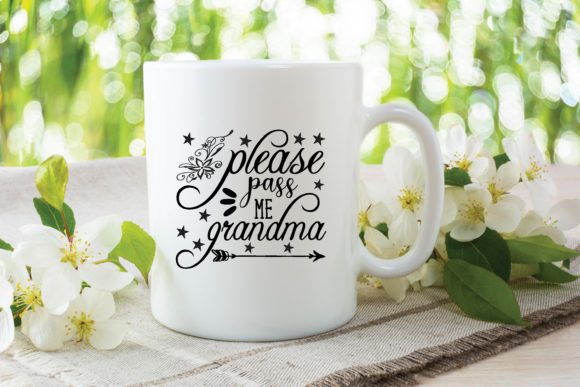
Right away, the mood of Please Pass Me Grandma Svg feels warm and personal. It carries that handmade, family‑centered vibe that works beautifully on gifts for new parents, holiday presents, or just something for a grandparent who loves a little humor. The layout is clean without being stiff—the lettering and any accompanying graphic elements are arranged in a way that reads well at a glance. The detail level is moderate, which is a sweet spot for embroidery. Too much fine detail can get lost in the stitches, but this design keeps things readable while still looking polished.
The visual personality leans toward heartfelt with a wink. It’s the kind of phrase you’d see on an apron, a kitchen towel, or a cozy sweatshirt and immediately think, “I know someone who needs this.” For my tote bag project, I tested it in a few different sizes on paper first, and the proportions held up well. It feels like a design that belongs on a finished product that people will reach for again and again, not just something that sits on a shelf.
Real Project Performance: From Digital File to Stitched Product
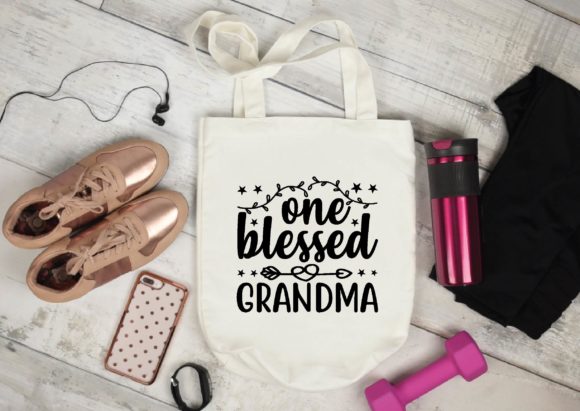
I stitch a lot of custom apparel—sweatshirts, t‑shirts, baby onesies, tote bags, and the occasional embroidered patch. When I first brought Please Pass Me Grandma Svg into my workflow, I treated it as an applique template because that’s one of the smartest ways to use a clean SVG like this in machine embroidery. Applique gives you bold, clear shapes that stand out on fabric, and the design’s straightforward outlines make it a natural candidate. I also tested it as a converted embroidery file with satin stitch and fill stitch, and the results were strong as long as I paid attention to stitch density and thread contrast.
On a mid‑weight cotton tote bag, the design stitched out cleanly with no puckering or distortion. The satin stitch edges held their shape, and the fill stitch areas felt solid without being overly dense. I tried it on a sweatshirt too, and the slightly thicker fabric gave the lettering a nice dimensional look. For baby embroidery, I scaled it down and used a lightweight stabilizer, and the small details still read well. If you’re an Etsy seller or a craft business owner who regularly makes personalized gifts, this design gives you a lot of flexibility. It works on both flat products like tea towels and curved surfaces like caps as long as you adjust the hoop size and stabilizer accordingly.
Where to Use This Design Carefully
No design is perfect for every situation, and Please Pass Me Grandma Svg has a few points worth noting. Because the phrase is the main visual element, tiny hoop sizes—say, anything under 4x4 inches—can make the lettering feel cramped, especially if you keep the full phrase intact. I recommend testing it at your target size on scrap fabric first. On stretchy fabrics like lightweight jersey or ribbed knits, you’ll want a cut‑away stabilizer to keep the stitches from pulling the fabric out of shape. Dark fabric is fine if you choose thread colors with strong contrast; I used a bright white or soft pastel thread against navy and black, and the readability was excellent.
If you plan to stitch this on a curved surface like a cap or a curved patch, be mindful of the corners and any decorative accents that might sit close to the edge of the hoop. Dense stitch areas can also become tricky on thin or loosely woven fabrics, so a test stitch is always a good call. For products that will be washed frequently—kitchen towels, baby blankets, or reusable tote bags—make sure your stabilizer choice and thread type are durable. I’ve found that a medium‑weight tear‑away stabilizer works well for most applications, but a wash‑away or cut‑away may be better depending on your fabric.
Also, keep in mind that Please Pass Me Grandma Svg is delivered as a cutting file, not a native embroidery file. That means you’ll need to convert it for use with your machine, or use it as an applique template. If you’re selling finished items or digital products, double‑check the licensing terms before you start stitching. I always verify whether a design allows commercial use, and I recommend you do the same, especially if you’re a small shop product creator or an Etsy seller building a brand around handmade goods.
How This Design Affects Your Finished Product Value
When I hand a finished product to a customer or list it in my shop, I want it to feel intentional and professional. Please Pass Me Grandma Svg contributes to that in a few ways. The phrase itself is memorable and giftable—people see it and immediately think of a specific person in their life. That kind of emotional connection drives engagement and trust. The stitching clarity is good when you use the right settings, so your final product looks crisp and well‑made rather than messy or rushed.
For handmade product sellers, this design adds a layer of personality that sets your work apart from mass‑produced items. It also works well in printable mockups and design assets for product previews, which is helpful if you’re creating digital listings. Whether you’re stitching it onto a personalized gift for a holiday or a boutique branding item for a local market, the design holds its own. Just make sure your thread colors complement the fabric and that your stitch density isn’t too heavy for the material you’re using.
Practical Designer Notes Before You Start
- Test on scrap fabric first. This is non‑negotiable for any new design. Run a test stitch on a similar fabric to check size, density, and thread tension.
- Check thread color contrast. Light thread on dark fabric or dark thread on light fabric gives the best readability. Avoid low‑contrast combos like pastel on white or dark on black.
- Review stitch density after conversion. Since Please Pass Me Grandma Svg is a cutting file, your embroidery software will convert it. Look at the stitch count and adjust if the design feels too dense or too open for your chosen fabric.
- Confirm hoop size. Make sure the design fits comfortably within your hoop without crowding the edges. Leave at least half an inch of margin for stabilizer and fabric movement.
- Inspect small details. If the design includes any thin lines or tiny decorative elements, test them at your intended size. Some details may need thickening or removal for clean stitching.
- Test in black and white. A monochrome mockup helps you see the design’s structure without color distraction. It also shows whether the layout relies too heavily on one area of detail.
- Compare light and dark fabric backgrounds. A white thread test on dark fabric and a dark thread test on light fabric will reveal any issues with contrast or stitch visibility.
- Use proper stabilizer. For most projects, a medium‑weight tear‑away stabilizer is a good starting point. For stretchy or thin fabrics, switch to cut‑away or wash‑away.
- Consider commercial licensing. If you’re selling finished items or digital products, confirm that the design’s license covers your intended use. When in doubt, reach out to the designer.
Final Verdict: Should You Add This to Your Project Queue?
Please Pass Me Grandma Svg is a solid addition to any embroidery project lineup, especially if you work in custom apparel, personalized gifts, or handmade product categories like kitchen textiles, baby items, and boutique accessories. The design’s personality is genuine, and it reads well on a variety of products. It’s not a fussy, over‑detailed file—it’s a straightforward, emotionally resonant phrase that customers recognize and love.
For embroidery designers, Etsy sellers, and creative entrepreneurs who want to offer something that feels both personal and professional, this design delivers. Just treat it like any new digital embroidery file: test it, adjust your settings, and match it to the right fabric and product. Do that, and you’ll have a finished product that people actually want to use, wear, or give. And in the world of crafts and graphics, that’s what keeps a small shop growing.