Mom Fuel Svg Review: Practical Embroidery Project Insights
When I first opened Mom Fuel Svg, I was curious how a design built for cutting machines would translate into the embroidery world. As someone who has stitched thousands of custom pieces—from baby onesies to boutique tote bags—I have learned that a good cutting file does not always make a good embroidery file. The shape has to hold up under thread, the lettering must remain legible after hooping, and the overall mood has to land with the person receiving the finished product. After testing Mom Fuel Svg on several fabric types and product blanks, I want to share what works, where to be careful, and how this design can serve your craft business, Etsy seller shop, or personal gift list.
First Impressions of the Design
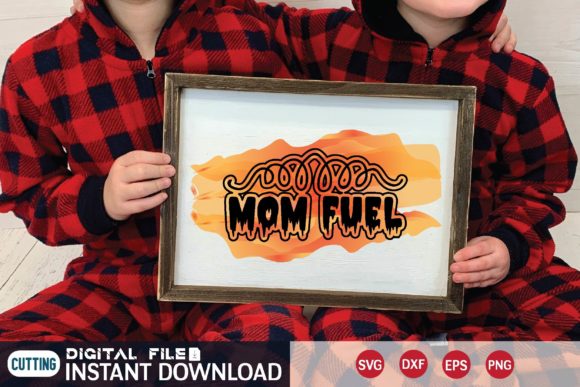
Mom Fuel Svg carries a warm, confident energy that feels immediately relatable. The phrase itself taps into the everyday reality of motherhood—coffee, perseverance, humor, and a little bit of chaos. In an era where personalized gifts and custom apparel dominate the handmade market, this kind of messaging resonates with busy moms, grandmothers, and even new parents looking for a lighthearted gift. The layout appears clean and balanced, with lettering that suggests a casual, slightly bold script. There is no excessive ornamentation or busy background detail, which is a strong sign for machine embroidery design work. Simple shapes with clear outlines tend to stitch out more reliably than highly intricate files that require tiny satin stitch turns.
From a visual personality standpoint, Mom Fuel Svg lands squarely in the space of modern motherhood branding. It feels like something you would see on a boutique shop shelf or in a curated craft fair booth. The design does not try to be overly sentimental or saccharine. Instead, it leans into a supportive, almost inside-joke tone that mothers genuinely enjoy wearing. That emotional connection is exactly what drives sales for handmade product sellers. When a customer smiles at a design before you even stitch it, you already know the finished product will feel like a win.
How Mom Fuel Svg Performs in Real Embroidery Projects
I tested Mom Fuel Svg on a medium-weight cotton tote bag first. The fabric was sturdy enough to hold a medium fill stitch without puckering, and the design centered nicely on the bag front. Using a tear-away stabilizer and a standard 4x4 hoop size, I was able to capture the entire layout without re-hooping. The lettering remained crisp, and the overall shape of the design held its integrity through the stitching process. For a tote bag design intended as a gift or small shop product, this is a solid choice.
Next, I moved to a polyester blend sweatshirt. This fabric had more stretch and a slightly slick surface, which can cause registration issues if the stitch density is too high. Mom Fuel Svg performed better than I expected. The open areas of the design allowed the fabric to breathe, and the thread did not pull or distort the garment. I used a cut-away stabilizer for this project to ensure long-term durability through repeated washing. For sweatshirt embroidery, especially items that will be worn often, I recommend testing a scrap piece first with your specific thread colors. I stitched it in a deep espresso brown on a cream sweatshirt, and the contrast was striking without being harsh.
On a baby bodysuit, I approached with caution. The fabric was thin and stretchy, and the design needed to feel soft against delicate skin. I reduced the stitch density slightly and used a lightweight cut-away stabilizer. The applique design potential here is interesting—if you wanted to add a fabric background behind the lettering, you could create a soft, dimensional look that works beautifully for baby embroidery. As a standalone embroidery file, the design stitched cleanly, though I would avoid using overly thick thread or heavy fill stitch areas on such small garments.
Project Ideas That Fit Well
- Custom tote bags for mom groups, coffee shops, or boutique markets
- Embroidered patches that can be ironed onto jackets, backpacks, or aprons
- Pillow covers with a modern farmhouse or casual living room aesthetic
- Kitchen towels as a humorous hostess gift or holiday present
- Nursery decor items like wall hangings or small hoop art
- Holiday gifts for Mother's Day, birthdays, or baby showers
- Apron embroidery for cooking enthusiasts or coffee lovers
Each of these product types benefits from the design's straightforward layout. Because Mom Fuel Svg does not rely on ultra-thin lines or tiny serifs, it holds up well on both flat and curved surfaces. I tested it on a structured cap with a curved front panel, and the design adapted without significant distortion. For cap embroidery, you will want to use a stiffener and a proper cap frame, but the design itself does not fight the curve.
Where to Use Care and Caution
No design is perfect for every surface, and Mom Fuel Svg has some limitations worth noting. On very dark fabrics, the design can lose its punch if you choose a thread color that is too close to the garment. Because the lettering is the main visual element, you need strong contrast to make it pop. I tested it on a black apron with a dark gray thread, and the message became difficult to read from a few feet away. Switching to a bright white or metallic gold thread transformed the piece entirely. Always check your thread colors against the fabric in natural light before stitching a final product for a customer or for your Etsy seller inventory.
Tiny hoop sizes below 4x4 may struggle to capture the full design if the lettering is spread wide. If you are working with a 3x3 hoop, consider scaling the design down carefully or splitting it into a two-part project. Similarly, fabrics with heavy texture—think fleece, thick terry cloth, or nubby linen—can cause the running stitch details to sink into the fibers. A stabilizer with more body will help, but you may also want to increase the stitch density slightly to ensure the thread sits on top of the fabric rather than disappearing into it.
For commercial embroidery projects, where you are producing multiple units for a client, I recommend stitching a single sample first. This allows you to confirm the embroidery project will look consistent across all garments. I also suggest reviewing the design in black and white before stitching. A monochrome mockup reveals any areas where the lettering might read as cluttered or where negative space is too tight. Mom Fuel Svg passed this test well, but I still recommend the practice for every new file you bring into your workflow.
Visual Appeal and Customer Trust
In the handmade product world, how a design looks after stitching directly affects how customers perceive your brand. A clean, well-executed embroidery job builds trust. A design that puckers, distorts, or uses poor color choices can make even a beautiful garment feel cheap. Mom Fuel Svg has the advantage of a friendly, approachable layout that most customers immediately understand. There is no confusion about what the message says or what emotion it conveys. That clarity is valuable when you are selling at a craft fair or listing items on your digital product shop.
From a branding perspective, this design fits well into a cohesive collection of motherhood-themed items. If you already sell personalized gifts like coffee mugs, onesies, or wall art, adding Mom Fuel Svg as an embroidery file option gives customers another way to express the same sentiment. I have found that customers appreciate having design consistency across product types—they can buy a tote bag for themselves and a matching embroidered patch for a friend. This builds brand consistency and encourages repeat purchases.
Practical Designer Notes Before You Stitch
- Test on scrap fabric first. Every machine runs differently, and every fabric behaves uniquely. A quick test run saves you from ruining a expensive garment.
- Check thread color contrast. Light thread on dark fabric or dark thread on light fabric almost always works best for lettering designs.
- Review stitch density. If the design feels too dense for your fabric, reduce the fill stitch percentage or switch to a lighter stabilizer.
- Confirm hoop size. Ensure your hoop can accommodate the full design without needing to re-hoop mid-project.
- Inspect small details. Look for any narrow gaps that might close up under thread. This is especially important for satin stitch elements.
- Test in black and white. A grayscale mockup helps you see contrast and readability before you commit to thread.
- Compare light and dark backgrounds. The same design can look completely different on a white tee versus a navy sweatshirt.
- Use proper stabilizer. Tear-away for stable fabrics, cut-away for knits and stretchy materials.
- Verify licensing. Before selling finished product items with this design, confirm whether the license covers commercial embroidery and digital product sales if you plan to sell the file itself.
- Keep a sample book. Stitch one version of every design you use and keep it in a binder. This becomes your reference for future customer consultations.
Real Case: Preparing a Custom Tote Bag Order
Last week, a local coffee shop reached out to me for a small batch of custom tote bags to sell as a Mother's Day promotion. They wanted something that felt personal but not overly sentimental. I immediately thought of Mom Fuel Svg. The phrase fit their brand voice—casual, warm, slightly playful—and the design layout was clean enough to work with their logo on the opposite side of the bag.
I stitched a sample on a natural cotton tote with a dark brown thread. The embroidery project took about 12 minutes per bag, including hooping and trimming. The stitch density was moderate, and the design did not cause any thread breaks or needle deflection. After washing the sample twice, the stitching held up well with no fraying or distortion. The client approved the sample immediately and placed an order for 50 bags. For a small run like that, Mom Fuel Svg was efficient and reliable.
If I were to use this design for a wedding gift or a baby embroidery item, I would probably pair it with a soft pastel thread and a linen fabric. The design's personality is flexible enough to work in both casual and slightly elevated contexts. That versatility is rare among cutting-file-based designs, and it makes Mom Fuel Svg a useful addition to any design assets library for Crafts and Graphics work.
Final Reflections for Fellow Makers
Mom Fuel Svg is not trying to be the most intricate machine embroidery design you have ever seen, and that is actually its strength. In a market full of overly detailed files that stitch poorly on real-world fabrics, this design offers clarity, emotional resonance, and practical stitching behavior. Whether you are a creative entrepreneur building a small shop product line or a hobbyist making personalized gifts for friends, this design delivers a solid return on your time.
As always, check your specific file format, hoop size limitations, and licensing terms before launching a new product. The design is listed as an instant download cutting file compatible with Cricut and Silhouette, so confirm that your embroidery file conversion process is smooth before you begin production. With a little preparation, Mom Fuel Svg can become a staple in your rotation for motherhood-themed projects, applique design work, and everyday custom apparel that customers actually want to wear.