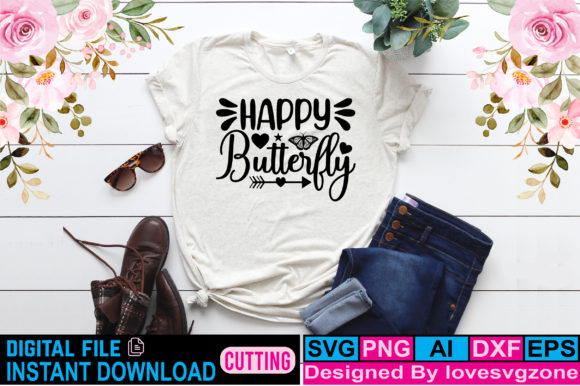
Happy Butterfly Embroidery Design
First Impressions of Happy Butterfly
The Happy Butterfly design immediately evokes a sense of lightness and joy. Its soft, flowing lines and gentle curves suggest a whimsical, nature-inspired aesthetic that feels both timeless and modern. The overall layout is balanced, with the butterfly positioned to draw the eye without overwhelming the space. It’s a design that seems to breathe, making it ideal for projects that aim to add a touch of charm or elegance.
As an embroidery designer, I appreciate how the design’s simplicity allows for flexibility in application. Whether used on a baby onesie, a tote bag, or a holiday gift, it maintains its visual appeal without requiring excessive detail. This makes it a versatile choice for a range of embroidery projects.
Real-World Embroidery Performance
When considering real-life use, Happy Butterfly shines as a machine embroidery design that can be adapted to many different mediums. On custom apparel like t-shirts or sweatshirts, it adds a subtle yet noticeable element that complements casual wear. For a tote bag design, it offers a stylish focal point that stands out without being too bold.
On baby clothes, the design’s gentle appearance makes it a safe and appealing choice for parents looking for something soft and non-threatening. As an embroidered patch, it could be used on jackets, backpacks, or even as part of a larger applique design. The design also works well as a decorative accent on aprons, pillow covers, and kitchen towels.
For holiday or wedding gifts, Happy Butterfly provides a universal theme that can be easily personalized. Its clean lines make it suitable for both handmade products and commercial embroidery projects, ensuring consistency across different applications.
Where to Use Carefully
While Happy Butterfly is a strong design, there are situations where extra attention is needed. On small hoop sizes, the design may require careful placement to ensure all elements are captured. Textured fabrics or thin, stretchy materials might affect the stitch density and overall appearance, so testing on scrap fabric is essential before committing to a final project.
On dark fabric, the contrast between the thread colors and the background becomes critical. If the design uses light-colored threads, they may not show up as clearly as desired. Similarly, on layered garments or curved surfaces like caps, the design may need adjustment to maintain its intended shape and clarity.
For projects that will see frequent washing, ensuring proper stabilizer use is key to maintaining the integrity of the stitches. Tiny lettering or intricate details may not hold up well if the stitch density is too low, so checking the file’s specifications is important before starting.
Impact on Visual Appeal and Customer Perception
Happy Butterfly has the potential to significantly enhance the visual appeal of any finished product. Its clean lines and balanced composition make it easy to integrate into a variety of designs, whether as a standalone piece or part of a larger arrangement. This versatility contributes to the overall value of the product, making it a desirable asset for craft businesses and Etsy sellers.
From a customer perspective, a well-executed Happy Butterfly design can build trust and encourage repeat purchases. It’s a design that feels thoughtful and intentional, which aligns with the expectations of buyers looking for handmade or personalized gifts. The design’s universal theme also makes it more likely to resonate with a wide audience, increasing its giftability and marketability.
For small shop products or boutique branding, Happy Butterfly can serve as a consistent visual element that reinforces brand identity. Its adaptability means it can be used across different product lines, from t-shirts to home decor, creating a cohesive look that strengthens customer recognition.
Practical Designer Notes
Before using Happy Butterfly in any project, I recommend testing the design on scrap fabric to assess how it translates in different conditions. Checking thread color contrast is especially important, as some colors may not stand out enough on certain backgrounds.
Reviewing the stitch density and confirming the appropriate hoop size ensures that the design will fit well within the embroidery machine’s capabilities. Inspecting small details like corners and edges helps identify any areas that may need adjustment for optimal results.
Testing the design in black and white mockups can reveal how it appears without color, which is useful for understanding its structure and readability. Comparing it against both light and dark fabric backgrounds helps determine its effectiveness in different settings.
Using the right stabilizer is crucial for maintaining the design’s shape, especially on delicate or stretchy fabrics. Confirming that the design is suitable for both personal and commercial use, along with verifying the licensing terms, ensures that it can be used confidently in any project.
Final Thoughts on Happy Butterfly
Happy Butterfly is a design that balances simplicity with charm, making it a valuable addition to any embroidery project. Its adaptability and clean aesthetic allow it to work across a wide range of applications, from custom apparel to holiday gifts. With careful consideration of fabric type, stitch density, and placement, it can be a reliable and visually pleasing choice for both hobbyists and professionals.
Whether you’re an Etsy seller looking for fresh design assets or a craft business owner seeking new ideas, Happy Butterfly offers a practical and appealing option that can elevate your finished products and enhance customer engagement.