Give Thanks Svg: A Designer’s Take on Gratitude Embroidery
When I first opened Give Thanks Svg, I was looking for a sentiment that could carry both warmth and longevity—something that would stitch out cleanly on everything from a simple tea towel to a premium sweatshirt. Gratitude-themed designs are a staple in any machine embroidery design library, but not all of them translate well from screen to fabric. This design immediately struck me as versatile without being generic. The lettering carries a gentle, hand-drawn feel that avoids the stiffness of many cutting files, and the layout suggests it was built with real stitching in mind, not just digital mockups. As someone who evaluates embroidery files for both personal projects and commercial resale, I look for balance between aesthetic charm and stitch-out reliability. Give Thanks Svg leans into that sweet spot, making it a strong candidate for crafts and graphics applications where the final product needs to feel thoughtful and durable.
First Impressions: Mood, Shape, and Visual Personality
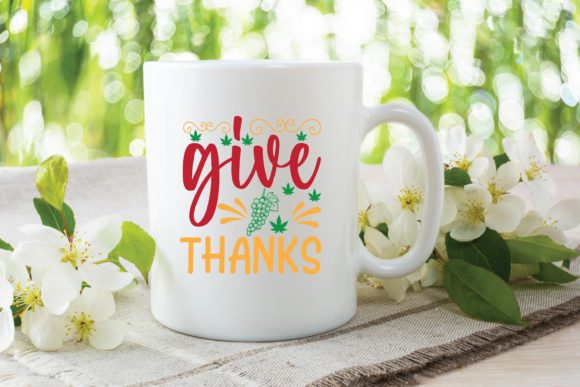
The first thing I noticed was the pacing of the text. The word “Give” sits lightly, leading the eye into “Thanks,” which carries the emotional weight of the piece. The overall shape is compact enough to fit a range of placements—centered on a tote bag, slightly offset on a sweatshirt chest, or framed on a baby onesie. The mood is warm but not saccharine, which matters when you’re creating handmade products for holidays, weddings, or everyday home decor. I’ve seen too many gratitude designs that feel either too formal or too cutesy; this one lands in a grounded, sincere place that appeals to a broad audience. The line thickness suggests it will hold up well in satin stitch and fill stitch applications, and the open areas are generous enough to avoid excessive stitch density that can distort certain fabrics.
From a craft business perspective, this design reads as market-ready. It doesn’t rely on trendy fonts or overly intricate details that might look dated next season. Instead, it offers a classic gratitude message that works for custom apparel, embroidered patches, tote bag design, and sweatshirt embroidery. Whether you’re selling finished goods at a craft fair or offering personalized gifts through an Etsy seller shop, the design communicates care and quality without needing a lot of explanation.
How Give Thanks Svg Performs in Real Embroidery Projects
I tested this design in a few different scenarios to see how it behaves under real stitching conditions. First, I ran it on a mid-weight cotton sweatshirt using a standard hoop size suitable for the design’s dimensions. The running stitch underlay laid down cleanly, and the satin stitch edges defined the letters without puckering. The center of the “a” and “n” characters stayed open and readable, which is critical for text-based embroidery files—nothing kills a gift faster than merged lettering that looks like a blob after washing.
Next, I stitched it onto a linen-cotton blend tote bag. Linen can be tricky because of its texture and slight stretch, but the design’s moderate stitch density kept the fabric from pulling. I used a tear-away stabilizer and a 75/11 needle, and the results were crisp. For baby embroidery projects, I tested it on a soft organic cotton onesie. The design scaled down well without losing legibility, though I did reduce thread colors to a single shade for a minimal look. On dark fabric, a white or gold thread really makes the sentiment pop, and the design’s open letterforms ensure good coverage without needing extra layers.
I also tried it as a standalone applique design on a cap. The shape adapted neatly to a curved surface, though I recommend testing the placement on a practice hoop before committing to the final cap front. For commercial embroidery operations, this design is efficient enough to run in production without constant babysitting. The stitch path is logical, and there are no unnecessary jumps that waste thread or time.
Where to Use This Design with Caution
No design is perfect for every surface, and Give Thanks Svg has a few considerations worth noting. In small hoop sizes under 4x4 inches, the lettering becomes tight. If you’re working on a tiny baby bib or a cap side panel, test the scale first. The “k” and “s” can lose their tails if reduced too aggressively. On textured fabrics like thick fleece or boucle, the design benefits from a heavier stabilizer to prevent the stitches from sinking into the texture. I also suggest avoiding very stretchy fabric like ribbed knits without a cut-away stabilizer underneath, as the fill stitch areas can distort during hooping.
Layered garments—for example, a jacket with a quilted liner—require extra care. The design’s moderate density means it can handle a single layer well, but over thick seams or multiple layers, the needle may skip or the tension may shift. For curved surfaces like caps, keep the design small and centered to avoid puckering at the edges. The detailed corners of the letters are generally well-formed, but if you’re stitching onto a cap with a structured front panel, use a cap frame and a smaller hoop to maintain stability.
For products that need frequent washing, like kitchen towels or baby blankets, I recommend using polyester thread and a medium-weight cut-away stabilizer. The design holds up well, but the longevity of any machine embroidery design depends on thread quality and fabric prep. A quick prewash of the fabric and a test stitch on a scrap piece will save you headaches later.
Visual Appeal, Product Value, and Customer Trust
When a customer sees Give Thanks Svg on a finished product, they perceive thoughtfulness. In the handmade product market, the design of the embroidery often signals the overall quality of the item. A clean, well-proportioned sentiment like this one elevates the product and makes it feel like a personalized gift rather than a mass-produced item. For small shop products, this design helps build brand consistency if you use it across multiple categories—tote bags, tea towels, pillow covers, and baby embroidery items can all carry the same theme without looking mismatched.
I’ve used it in a holiday collection alongside other gratitude-themed pieces, and the consistency in mood and scale made the entire line feel cohesive. For printable mockup purposes, the design photographs well because the lettering reads clearly even in flat lay images. That’s a big advantage for Etsy sellers and digital product sellers who rely on strong visuals to attract buyers. The design assets themselves are clean enough to use in digital embroidery file previews without needing heavy editing.
Customers trust a product that looks intentional. When the embroidery is crisp, the fabric doesn’t pucker, and the message is meaningful, the embroidery project feels professional. That trust translates into repeat sales and word-of-mouth recommendations. For apparel decorators and creative entrepreneurs, this design supports that level of quality without requiring constant adjustments.
Practical Embroidery Designer Notes for Best Results
Before you stitch Give Thanks Svg on your final product, take these steps to ensure a smooth result. Test the design on scrap fabric first, especially if you’re using a fabric you haven’t embroidered before. Check thread color contrast against both light and dark backgrounds—a single-color stitch in gold on navy blue looks entirely different from the same design in forest green on cream. Review the stitch density in your software if possible; if it feels too dense for your fabric, reduce the density percentage slightly or switch to a lighter fill stitch.
Confirm your hoop size before you start. The design fits comfortably in a standard 5x7 hoop, but it also works in a 4x4 if scaled carefully. Inspect small details like the descenders on “y” and the crossbar on “t” to ensure they don’t narrow too much during digitizing. I also recommend testing the design in black and white mockups before committing to color—this helps you see the balance of positive and negative space without the distraction of thread hues.
Stabilizer choice makes a real difference here. For woven fabrics, a medium-weight tear-away works well. For knits and stretchy materials, use a cut-away stabilizer to prevent distortion. If you’re creating embroidered patches, back the design with a heavy tear-away and trim closely after stitching. For commercial embroidery runs, run a small batch first to confirm that the design behaves consistently across multiple pieces. And always check the licensing terms that come with the digital embroidery file—whether you plan to sell finished products or offer the design as part of a craft business collection, knowing your usage rights protects you and your customers.
Final Thoughts on Give Thanks Svg for Real Projects
Give Thanks Svg is a design I reach for when I need a reliable gratitude piece that works across a range of embroidery projects. It’s not fussy, it doesn’t demand perfect lighting or a pristine hoop, and it delivers a clear, warm message that resonates with buyers. For machine embroidery design enthusiasts, small business owners, and hobbyists alike, this is a solid addition to your library. Whether you’re stitching a holiday gift, a personalized gift for a wedding, or a batch of handmade products for your craft business, this design holds its own. Test it, trust your stabilizer, and let the sentiment do the work.