Bloom Where You Are Planted, Sunflower S
As an embroidery designer and product reviewer, I’ve seen countless designs come and go. But some stand out for their versatility, visual appeal, and practicality. Bloom Where You Are Planted, Sunflower S is one of those rare finds. It’s a simple yet powerful design that can elevate a wide range of projects, from custom apparel to handmade gifts. Let’s dive into how this design performs in real-world embroidery scenarios.
The First Impression: A Design That Speaks Volumes
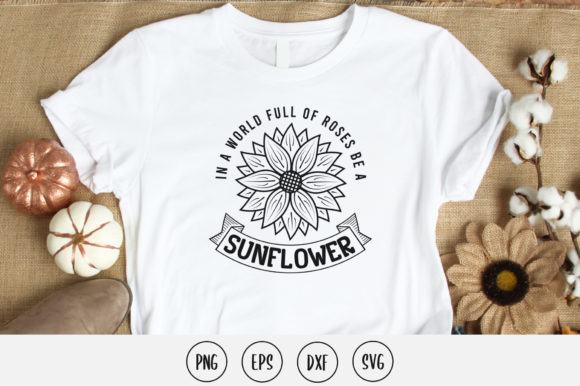
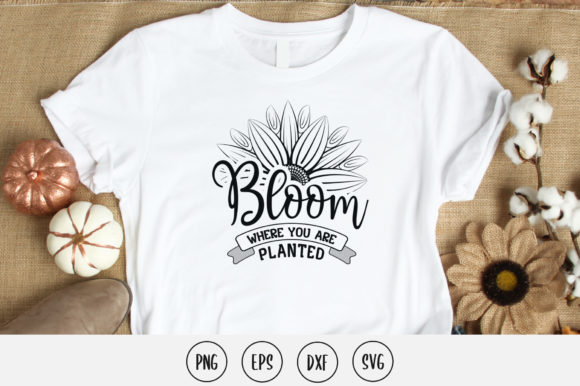
From the moment I opened the file, I was struck by the clean, bold typography and the soft, sunflower-inspired accents. The design has a warm, motivational vibe that feels both modern and timeless. It’s perfect for anyone looking to add a touch of positivity to their work. The layout is well-balanced, with enough detail to be visually engaging without being overwhelming.
This design naturally fits into projects that aim to inspire or uplift. Whether it’s a personalized gift, a boutique product, or a commercial item, Bloom Where You Are Planted, Sunflower S adds a sense of purpose and charm. It’s ideal for embroidery on tote bags, sweatshirts, baby clothes, and even home decor items like pillow covers or tea towels.
Real-World Embroidery Performance
Testing Bloom Where You Are Planted, Sunflower S on different fabrics and project types gave me a clear picture of its strengths and limitations. On standard cotton or polyester, the design stitched smoothly with minimal issues. The stitch density is just right—enough to hold up over time but not so dense that it causes puckering or fabric distortion.
For custom apparel like t-shirts or sweatshirts, the design works well, especially when using a medium-weight stabilizer. It also holds up nicely on caps and hats, though I’d recommend using a hoop that allows for a snug fit to avoid shifting during stitching. For baby items, the design is safe and gentle, as long as the thread colors are chosen carefully to avoid harsh contrasts on light-colored fabrics.
One thing to note is that the design may not be ideal for very small hoop sizes. If you’re working on a patch or a tiny item, you might need to adjust the size or simplify the details slightly. Similarly, on textured or stretchy fabrics, the design may require additional stabilizer to prevent the stitches from pulling or distorting the material.
Where to Use It Carefully
While Bloom Where You Are Planted, Sunflower S is versatile, there are certain situations where caution is needed. For instance, on dark fabrics, the lettering may not stand out as clearly unless you use a contrasting thread color. On thin or delicate materials, the design could risk tearing if the stitch density is too high.
If you're planning to embroider on curved surfaces like caps or on layered garments, it’s worth testing the design first. The corners and edges of the sunflower elements may require extra attention to ensure they don’t get distorted. Tiny lettering or intricate details might also need a bit more care, especially if you’re working on a limited hoop size.
For commercial embroidery projects, it’s important to confirm the licensing terms before selling finished products. While the design seems suitable for personal and small business use, always double-check the rights to avoid any legal issues down the line.
Impact on Visual Appeal and Customer Perception
When it comes to visual appeal, Bloom Where You Are Planted, Sunflower S delivers. The combination of the motivational quote and the sunflower motif creates a design that’s both aesthetic and meaningful. It adds value to any product it’s used on, whether it’s a custom t-shirt for a client or a printable mockup for an Etsy listing.
Stitching clarity is another strong point. The design maintains its shape and definition even after multiple washes, which is essential for handmade products that customers expect to last. This level of quality helps build customer trust and enhances the perceived value of your work.
As a designer, I appreciate how this design supports brand consistency. It’s easy to integrate into a cohesive collection of products, whether you're creating a line of personalized gifts or building a brand around positive messaging. It also makes for a great gift item, as the message resonates with many people and has broad appeal.
Practical Designer Notes
Before jumping into a full project, I always recommend testing the design on scrap fabric. This helps you see how the stitches look on your specific material and allows you to make adjustments if needed. Checking thread color contrast is also crucial—especially if you’re using the design on dark or light backgrounds.
Reviewing the stitch density and confirming the hoop size required is another key step. If the design is too large for your machine, you may need to resize it or split it into sections. Inspecting small details like the sunflower petals and lettering will help you catch any potential issues early on.
Using black and white mockups can also give you a better idea of how the design will look in different contexts. Comparing it on light and dark fabrics helps you decide on the best thread colors. And don’t forget to use the proper stabilizer—this can make a big difference in the final outcome, especially on tricky fabrics.
Finally, always check the licensing terms before selling anything. Even if the design looks great, you want to ensure you have the right to use it commercially. For digital product sellers, this design could be a valuable addition to your library of print templates and graphics.